
Beaufort County Sex Offender Checks
The official starting point is the South Carolina Law Enforcement Division registry page. SLED manages the statewide system, and the Beaufort County Sheriff's Office supplies and updates registration data for people registered in Beaufort County. This division of work matters. SLED provides the public search and removal guidance. BCSO handles local registration appointments and suspected noncompliance. Contact BCSO to confirm the current appointment place, hours, and any local procedure because those details were not published in the reviewed official material.
A name search is useful when the person is known. County, city, ZIP, address, radius, and map tools help with place-based awareness. Searchers should compare more than a name. Aliases, photographs, physical traits, offense rows, and address context help distinguish records. If a search yields no matching public result, that does not prove no registration exists. A spelling variant, recent move, reporting lag, or search setting may explain the gap.
The SLED registry overview shows the official conditions, warning, alert route, and removal material.
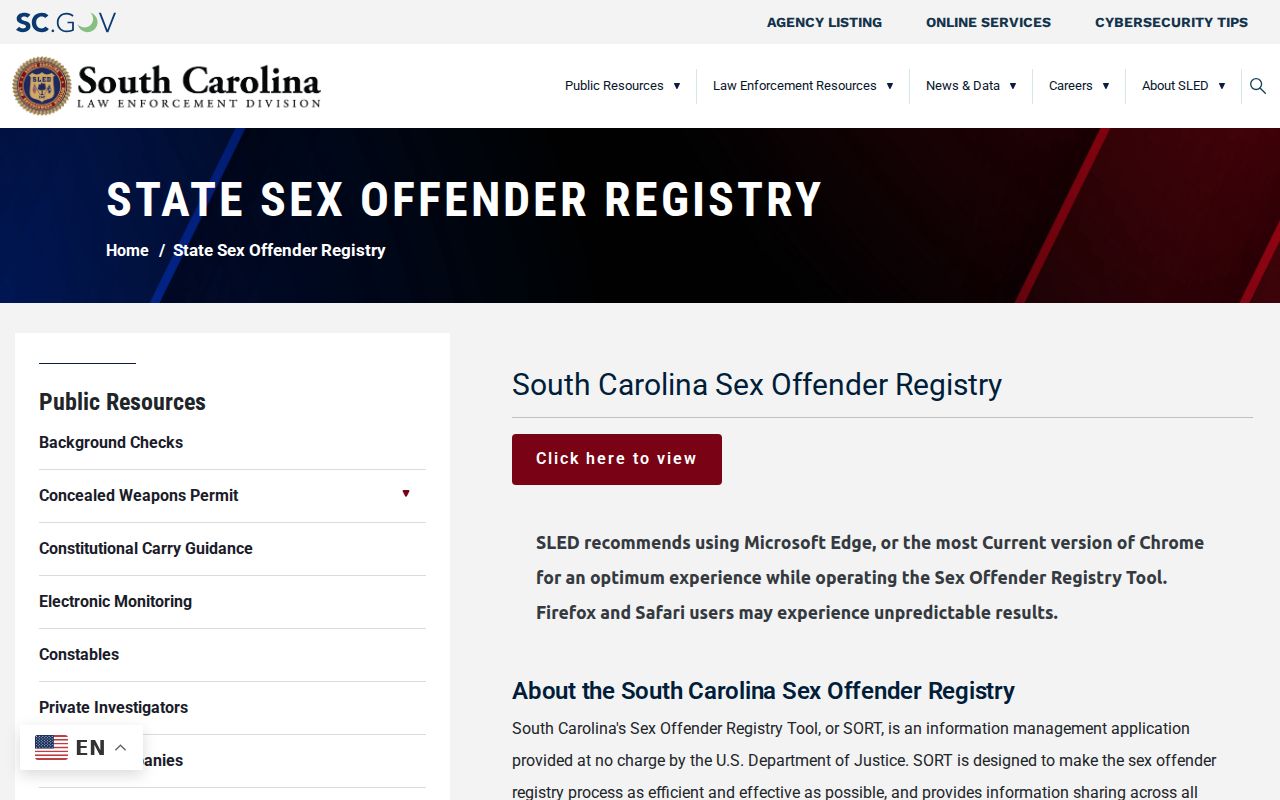
This official entry page helps a Beaufort County searcher distinguish registry access from local registration work at the sheriff's office.
Beaufort County Registry Custodians
BCSO and SLED do not hold identical roles. The sheriff registers people in Beaufort County, updates the local data sent into SORT, and receives reports of suspected failure to comply. SLED operates the statewide database, publishes the public conditions, and administers eligible paper removal applications. The sheriff's Crime to Courtroom resource also shows why a registry record differs from a county booking or court record. A question about a local appointment or a possibly stale Beaufort County address belongs with BCSO. A question about the statewide interface or a removal packet belongs with the SLED Sex Offender Registry Unit.
The SLED unit may be reached at 803-896-2601 or sor@sled.sc.gov. Its published mailing address is P.O. Box 21398, Columbia, SC 29210. Those contacts do not replace the sheriff as the Beaufort County registration office. The county FOIA page likewise warns through its routing rules that elected offices can retain their own custody duties. These channels provide fallbacks, but a requester should still ask the office that created or maintains the specific registry record.
Note: Registry residence and status data can change before local verification, so confirm urgent concerns through the sheriff or SLED.
South Carolina Sex Offender Registry / Sex Offender Registry Tool (SORT) Searches
The South Carolina Sex Offender Registry Tool, or SORT, is free. SLED recommends a current version of Edge or Chrome and cautions that Firefox or Safari may not behave as expected. A user first accepts the Conditions of Use and enters the code shown on screen. The next choice is a name or place search. These steps keep the Beaufort County sex offender lookup tied to the live state source.
- Open SORT, read and accept the Conditions of Use, then enter the displayed code.
- Use a last name, or choose Beaufort County and add a city, ZIP, or address when relevant.
- Review the result list or map and compare aliases, photos, traits, and location context.
- Open the full profile and read each offense, registration status, and registering-agency entry.
| Field Label | Type | Required | Notes |
|---|---|---|---|
| Last Name | Text | Conditional | Starts a name search. |
| First Name | Text | No | Narrows name results. |
| County | Dropdown | No | Select Beaufort for a county list. |
| City or ZIP Code | Text or dropdown | No | Focuses the locality. |
| Address and Radius | Text and dropdown | Conditional | Supports a geographic search. |
| Map or List | View controls | No | Changes how results appear. |
The blank SORT search screen displays these controls without exposing any private person's record.
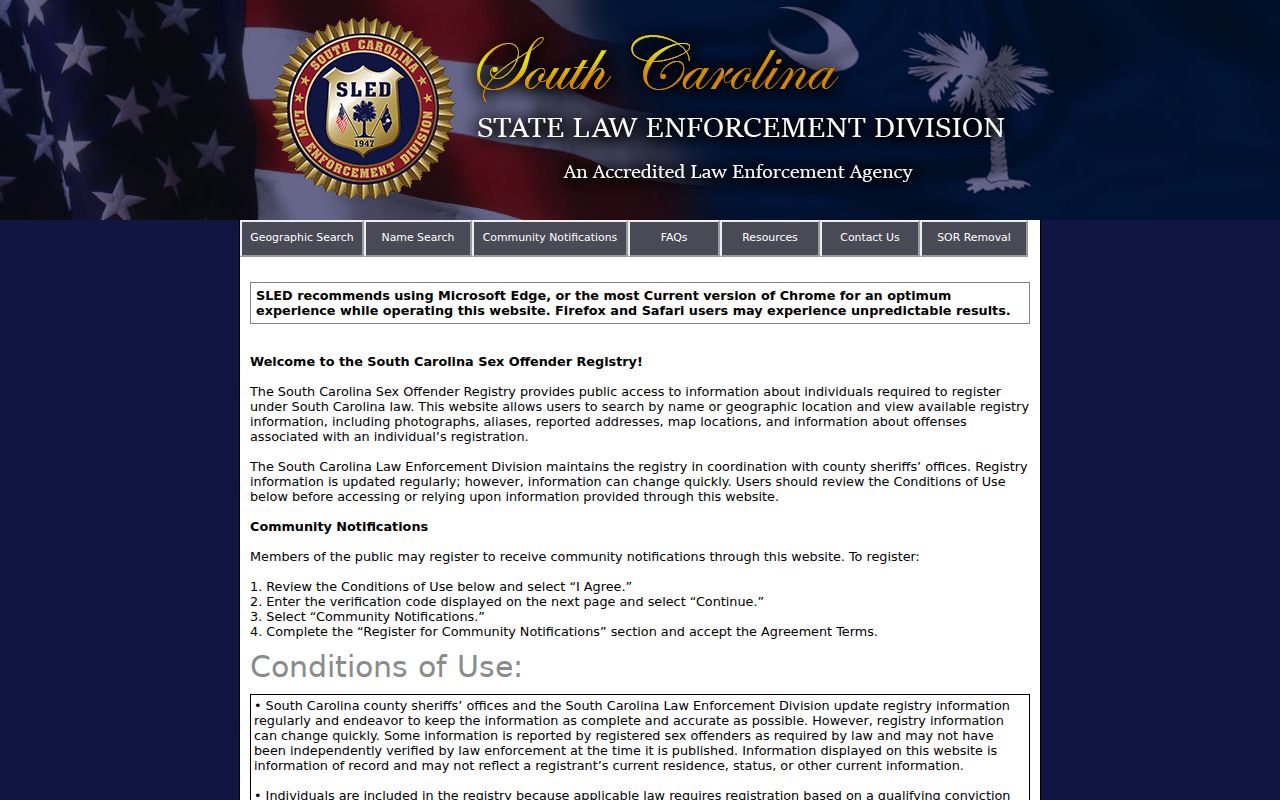
The interface lets a Beaufort County resident choose the narrowest useful field set before assessing a possible match.
Beaufort County Registry Alerts
Community Notifications turn a one-time Beaufort County registry search into an ongoing address-based alert. After accepting the conditions, choose “Community Notifications,” supply the requested registration data, and accept the alert terms. SLED says users enrolled in the prior system must register again. That point can explain why a person who once received notices no longer sees them.
An alert is a prompt to check the live profile, not proof that a person moved or committed a new offense. Read the status and address notes, then contact BCSO if the information suggests a Beaufort County compliance concern. Do not confront a registrant or household. The local sheriff and SLED have the authority and access needed to assess whether a report calls for action.
Registry Profiles: What They Show
A public SORT profile groups identity, offense, location, and compliance details. Some entries may contain both current and older photographs. Aliases and physical features help separate similar names, while the conviction rows explain why the person must register. The address and map describe reported registry information, which may change quickly or may be self-reported before it is checked.
| Name & Aliases | Legal name plus alternate names reported in the registry record. |
|---|---|
| Photo & Description | Current or historical photos and traits such as height, hair, eyes, and identifying marks when present. |
| Residence & Map | Reported address and geographic view, subject to change and verification limits. |
| Offense Details | Conviction jurisdiction, offense description, statute, and related conviction facts. |
| Registration Status | Compliance information and the registering agency shown by SORT. |
| Other Details | Vehicles, work or school information, and scars, marks, or tattoos when included. |
The SORT Conditions of Use frame how those profile facts should be read before a search begins.
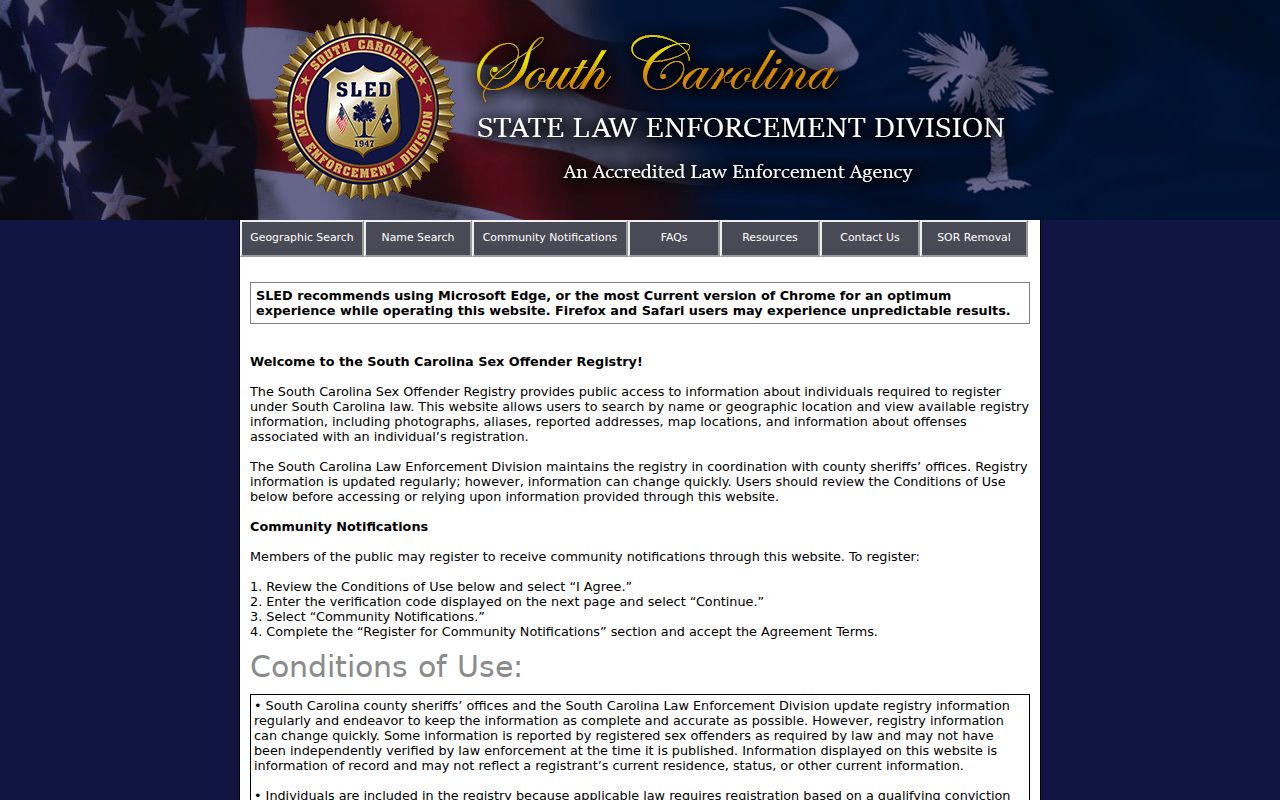
That warning is central to reading a Beaufort County listing as a public record, not as a forecast of conduct.
Beaufort County Registry Address Limits
A map marker can look exact while its source data is in motion. SORT warns that an address or registration status may change fast and may appear before local verification is complete. Treat the listing as the registry's current public report. Do not turn it into a claim about who is present at a place at a given moment.
For family planning, use the map with practical context. Check the profile date and status. Note whether the address search or name search produced the result. If the place seems wrong, share the concern with BCSO instead of trying to verify it in person. This protects the public, the household, and the integrity of any compliance review.
Note: A registry listing follows conviction and law; it does not state that a listed person will commit a future act.
Registration Levels and Duties in South Carolina
South Carolina's current guidance uses tiers when describing the earliest removal route. These periods are not automatic end dates. A person must keep registering while SLED reviews an application, and the required statutory conditions still control. Tier III has no administrative SLED termination path. After the stated period, that category uses a General Sessions court order process under S.C. Code §23-3-463.
| State Tier | Earliest Route | Channel |
|---|---|---|
| Adult Tier I | After at least 15 years from the qualifying start point | Paper SLED application, subject to statutory conditions |
| Adult Tier II | After at least 25 years | Paper SLED application, subject to statutory conditions |
| Adult Tier III | After 30 years | General Sessions motion under §23-3-463 |
| Juvenile or out-of-state | Specialized statutory rules | SLED or the proper Family or General Sessions Court |
The rules changed in part through 2025 legislation affecting some Tier I offenses and juvenile criteria. The live SLED packet should control over an older summary.
Beaufort County Registry Removal
The current SLED packet calls for a completed paper application, two recent FD-258 fingerprint sets, a $250 nonrefundable cashier's check or money order, disposition and sentencing documents for each registration conviction, and official proof of required treatment. Personal checks are not accepted. SLED states that it makes a determination within 120 days after a complete qualifying submission and notice to the prosecuting agency. A denial generally delays a new SLED application for at least five years, subject to the court-review route in the statute.
Fingerprints in this process verify identity. They do not make the public registry a general fingerprint-search tool. The official IdentoGO location finder can help locate a South Carolina capture site, though hours and appointments depend on the provider.
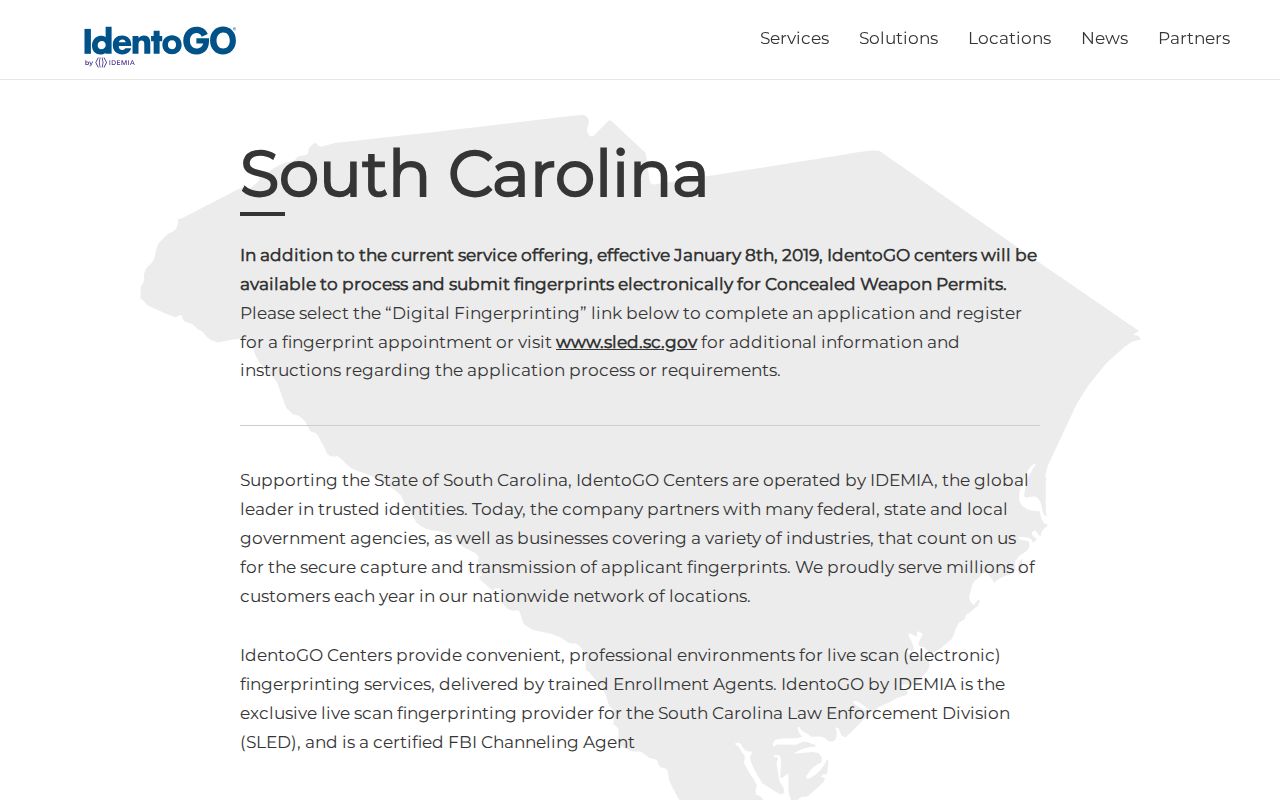
Applicants from Beaufort County should verify the capture format and packet requirements with SLED before paying a provider.
Beaufort County Registry Search Beyond State
SORT covers South Carolina. For a search that crosses state lines, use the U.S. Department of Justice National Sex Offender Public Website. NSOPW searches participating jurisdictions and adds breadth, but it does not replace the detailed Beaufort County entry maintained through SLED and BCSO.
State supervision is also distinct from registry status. The SCDPPPS Offender Search concerns people under South Carolina probation or parole supervision and reflects prior-day data. A person may appear in one system and not the other because the legal purpose and covered population differ.
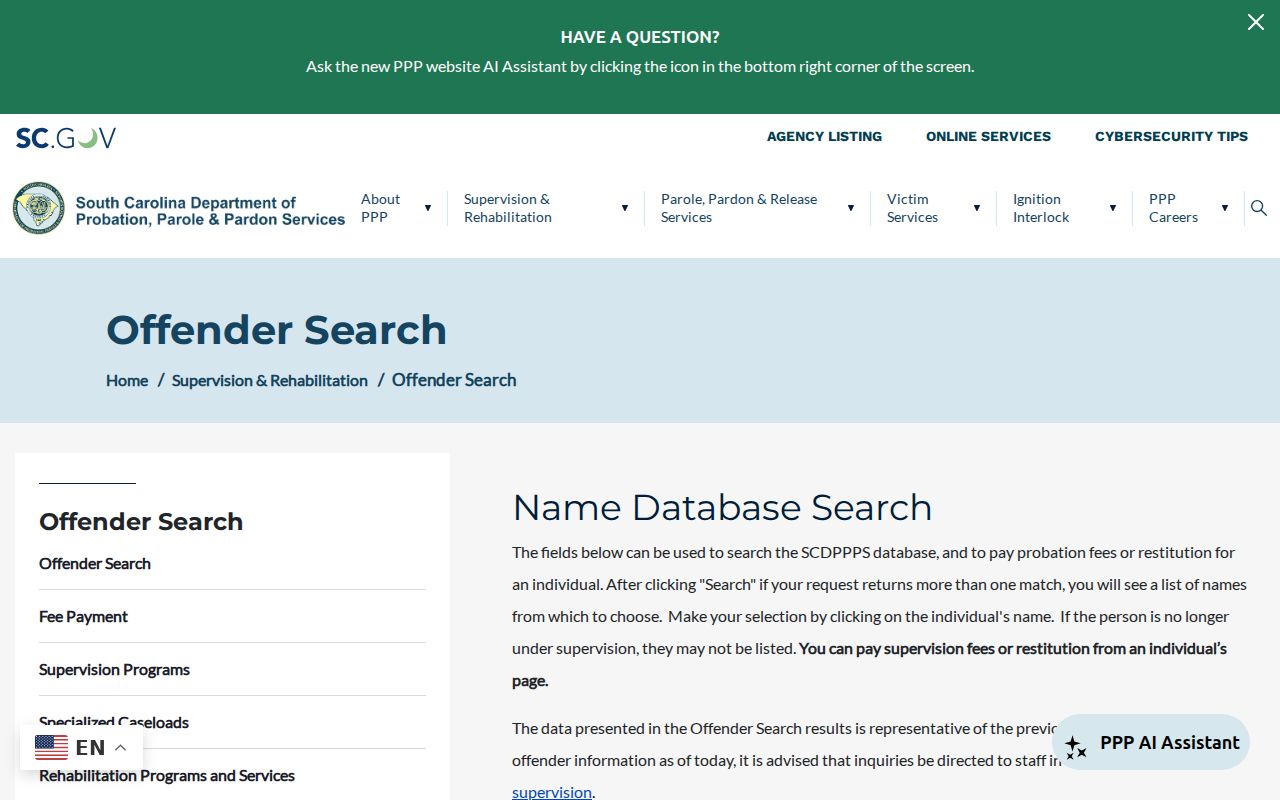
The supervision screen helps prevent a common mistake: treating every offender-related database as the Beaufort County sex offender registry.
Using Registry Information Lawfully
Registry information exists for public awareness and safety planning. S.C. Code §23-3-490 governs public release of the information. The profile itself does not warn that a named person will commit a specific act. Searchers should avoid claims that go beyond the displayed conviction, registration, and location facts.
South Carolina law also targets criminal misuse. Under S.C. Code §23-3-510, using disclosed registry information to commit another crime can increase the maximum punishment. A misdemeanor can gain up to $1,000 and six months. A felony can gain up to five years. Harassment, threats, injury, vigilantism, or other unlawful conduct may also produce civil or criminal consequences.
Registry misuse is a crime: Do not use Beaufort County registry information to harass, threaten, injure, intimidate, or commit an offense. Section 23-3-510 can add punishment to the underlying crime.
When a profile raises a real compliance concern, report it to BCSO or the SLED SOR Unit. That route preserves evidence and lets the proper agency verify facts. For broader Beaufort County record context, the county criminal history overview explains why registry, court, arrest, and repository files answer different questions.